Most-rated Tokyo class on Viator
Kintsugi workshop in Asakusa
★ 4.9 · 1,300 written reviews
- Opening pricefrom $15
- Time at the bench1 hour
- Seats a sessionNot stated
- Cancel ruleIncluded
Asakusa · urushi and gold · 1 hour
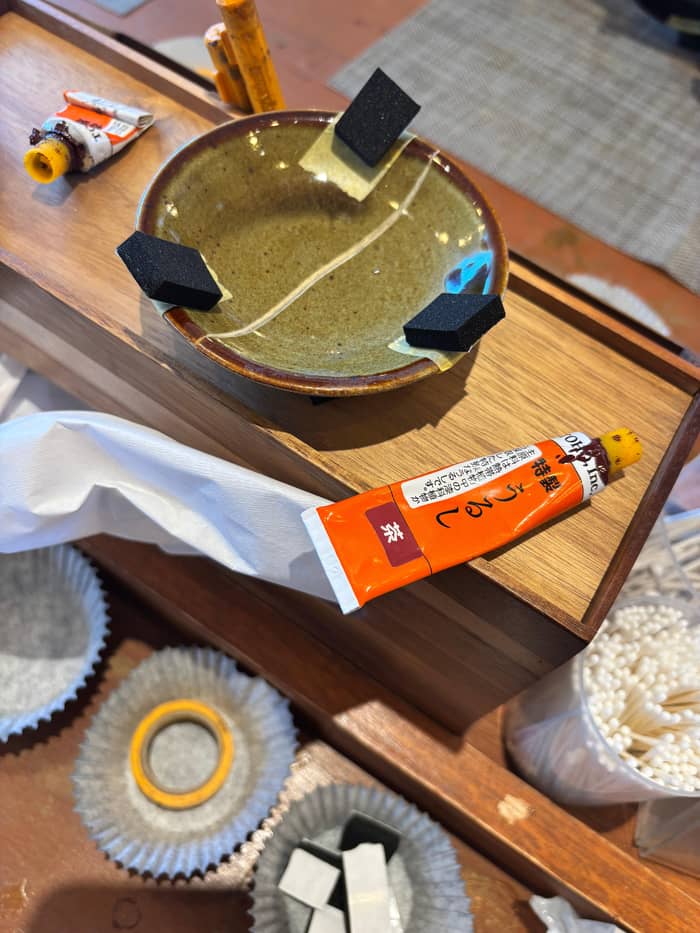
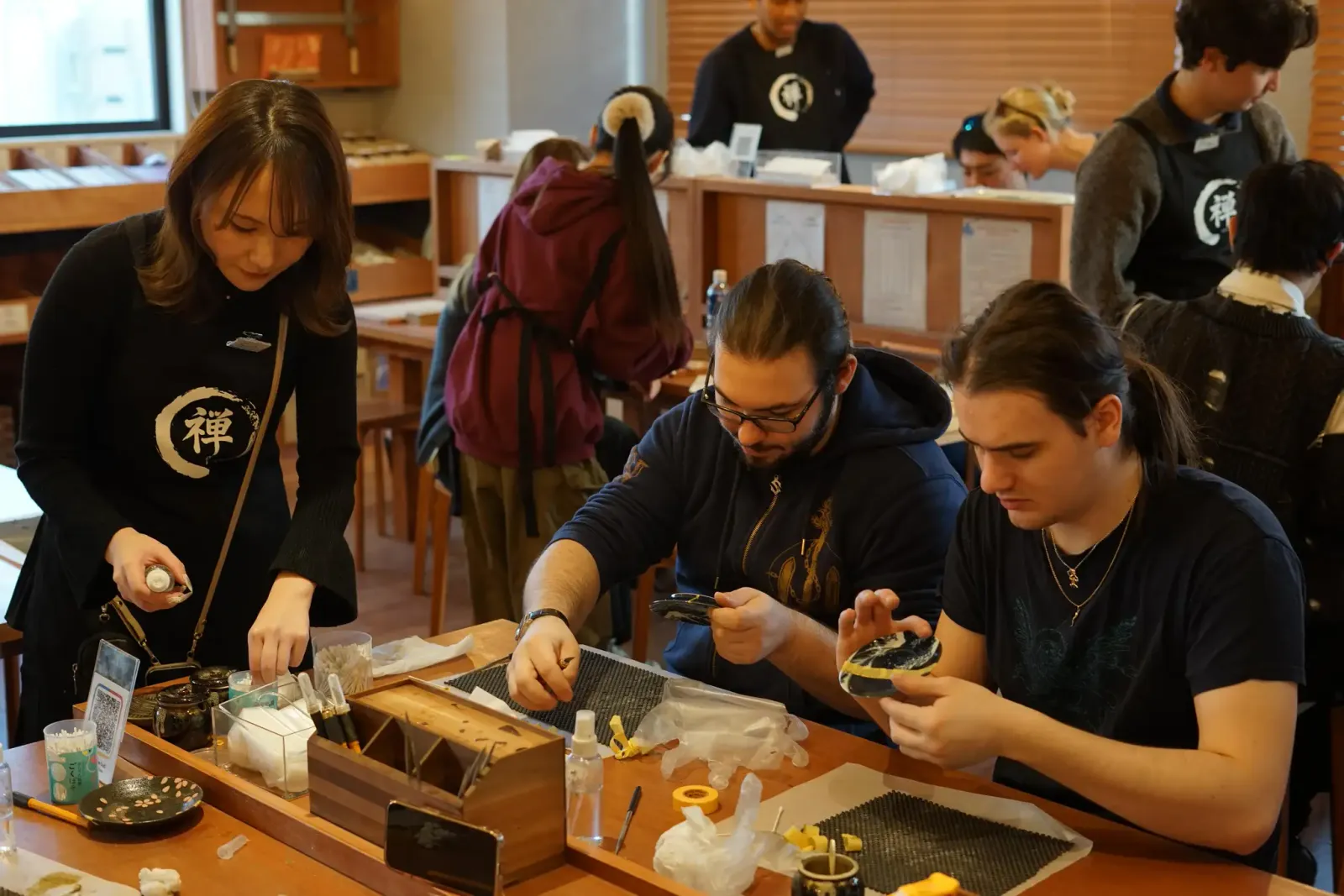
A one-hour class near Senso-ji where you join a broken ceramic piece with urushi lacquer and brush gold along the cracks, then take it home.
Hold your place
Select a date and the size of your party: the total updates as you change them, and the next page shows the current price and the open slots.
Know before you go
1,300ratings
ratings on Viator, mean 4.9
1hour
the length of the workshop
30people
the most in one shared group
24hours before
advance notice for a refund
Side by side
Most-rated Tokyo class on Viator
★ 4.9 · 1,300 written reviews
Longer 90-minute session
★ 4.9 · 844 written reviews
Resin and substitute gold, higher price
★ 4.9 · 504 written reviews
Cheapest opening price
★ 4.9 · 94 written reviews
A quick table legend
Our pick next to three other Tokyo kintsugi workshops, rated and priced live.
Each price is a per-person starting rate on GetYourGuide and Viator.
Testimonials
★★★★★1,300 checked reviews
I came alone and still had a great time: the teacher explained the history, guided every step and helped me find the cracks to paint.

A short talk on the past of kintsugi came first, then each step in order, and I left with a lovely keepsake from Tokyo.

Easy and fun for the whole family, with the cultural background explained as you work and a memory to carry home.

It let us meet Japanese culture hands-on, and our teacher was patient, clear and good-humored throughout the session.

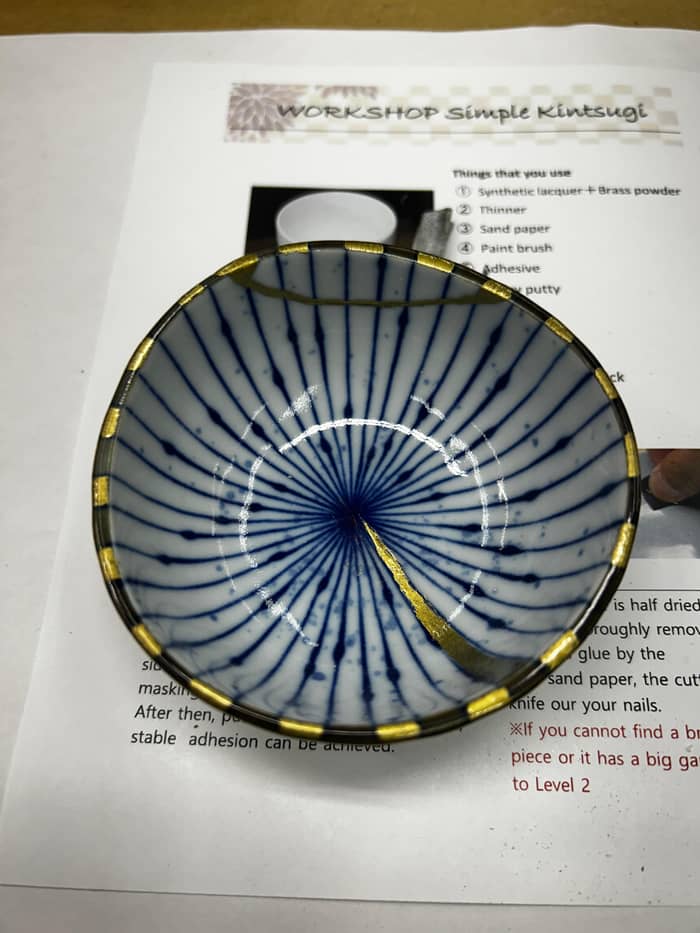
Expect a little stickiness and gold dust on your hands, but the plate I made is one I adore, and the guidance was clear.

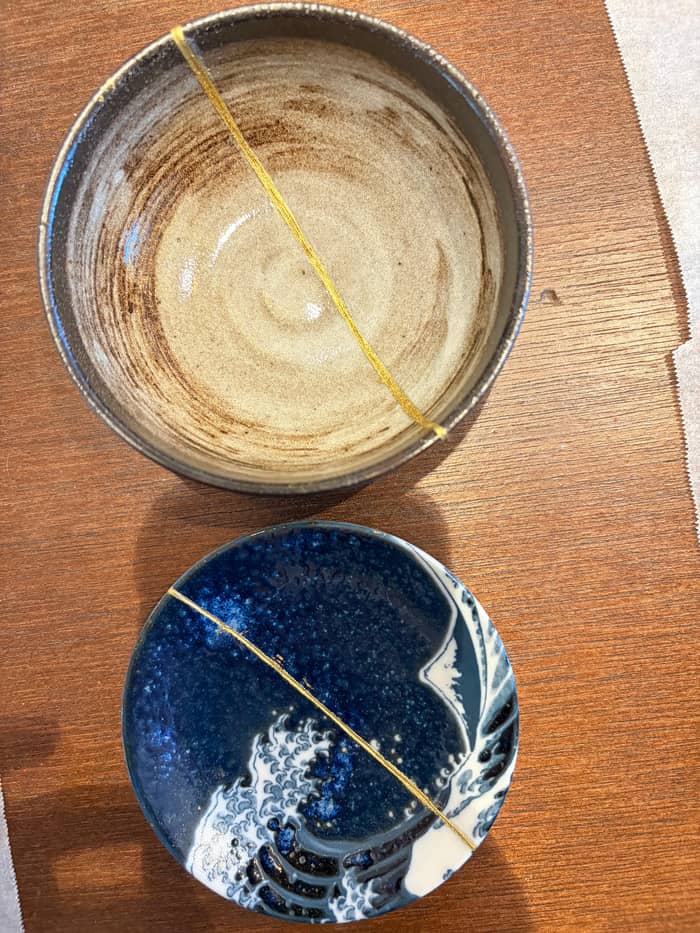
A first for all of us and something truly different, with a deep history and a lovely idea about imperfection; we plan to return with our teens.

inside the hour
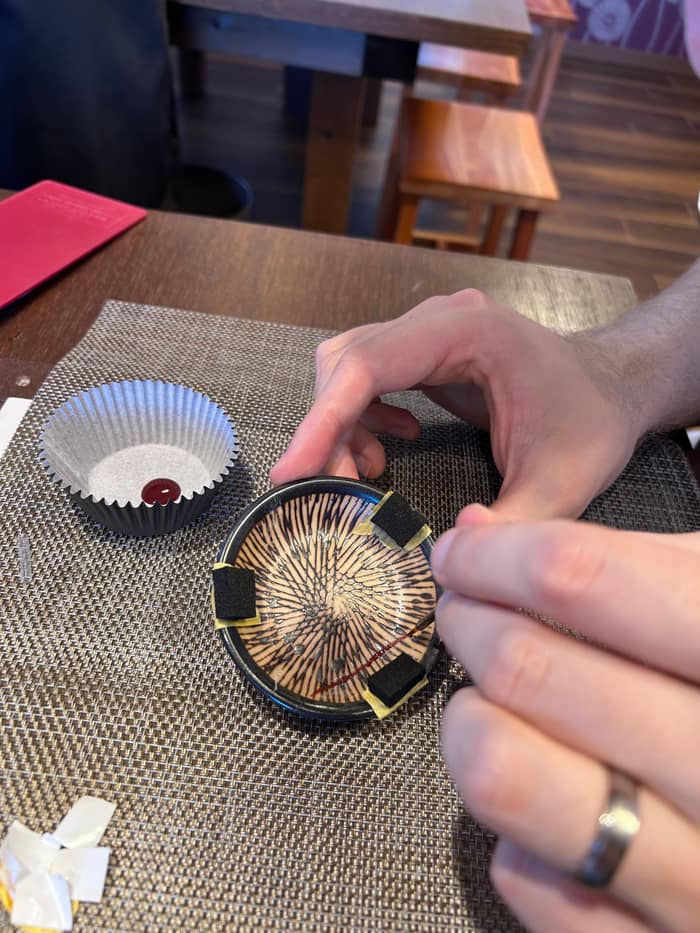
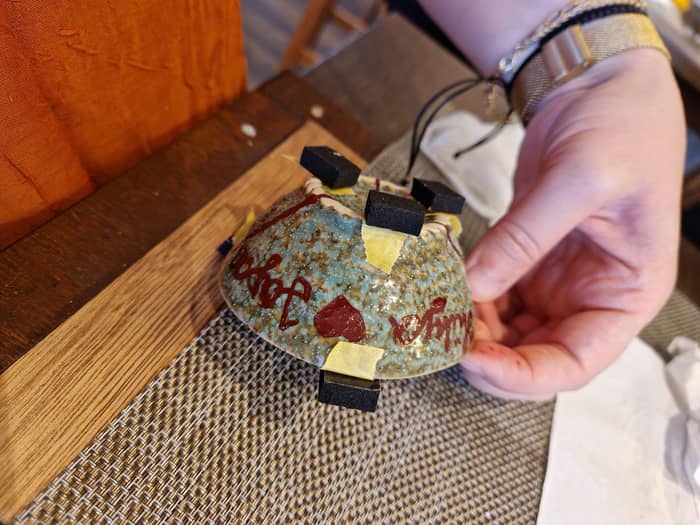
The listing describes a studio session that begins with assembling the ceramic pieces, then applying lacquer with care and brushing gold along the cracks. It says guests use real urushi lacquer and gold powder, and that they leave with their own golden-repaired ceramic piece. The workshop includes use of the studio, traditional kintsugi tools, bilingual staff and a variety of tableware to choose from.
Up to 30 people can share a session, led by a live guide who works in Japanese and English. A single booking can hold from 1 to 15 travelers, and one of them must be an adult, so the table will be busy rather than private. If you want a quieter room, our page on Tokyo classes compares the small-group options by district and price, from Ginza to Shibuya.
One honest note about real lacquer: a complete traditional repair takes days to weeks, as one Tokyo studio explains, so a single hour covers part of the process and not the whole. Ask the staff how your piece should dry after you leave the studio, so that the gold seam sets properly on the way home and the piece reaches your suitcase in good shape.
Book with a free cancel optionTokyo and beyond
Nearby to Tokyo: well-rated tours, live GetYourGuide pricing, free cancellation.
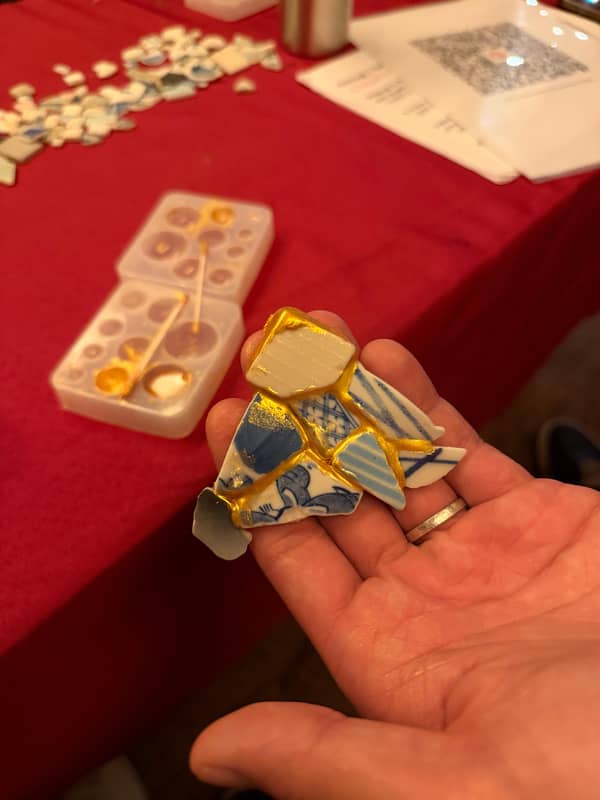
★ 4.7 (113)1.5 hrsFee-free cancellation
from$44
Take a look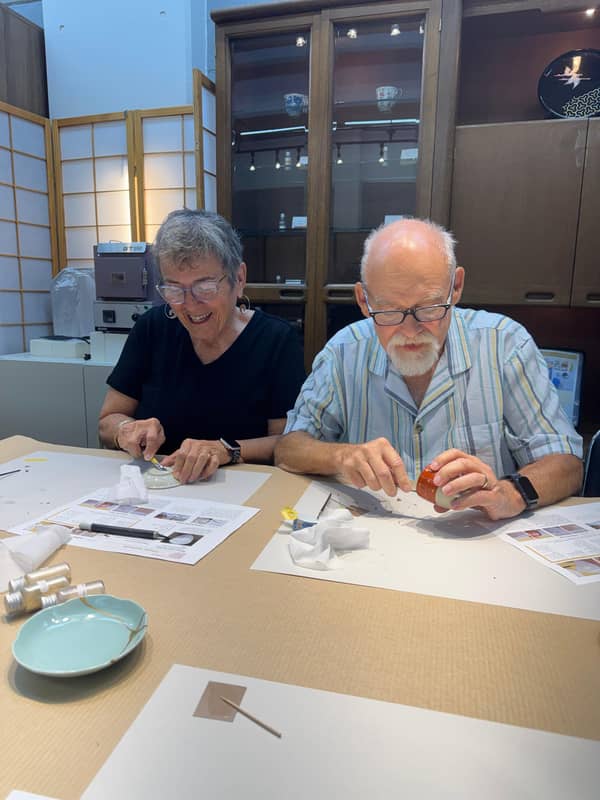
★ 4.7 (64)1.5 hrsFee-free cancellation
from$159
Take a look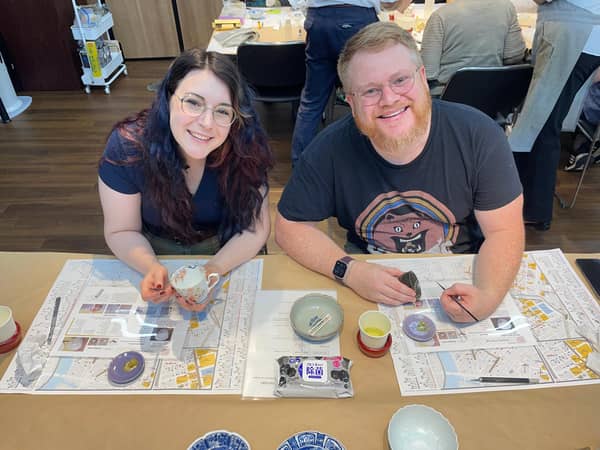
★ 4.9 (65)1.5 hrs
from$126
Take a look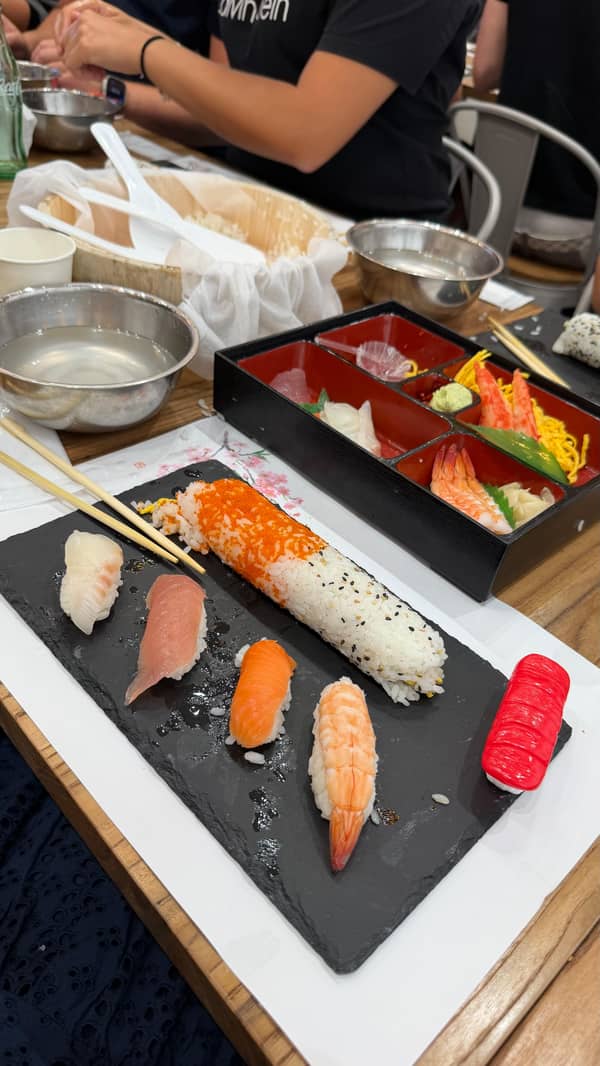
★ 4.9 (2,217)100 minFee-free cancellation
from$58
Take a look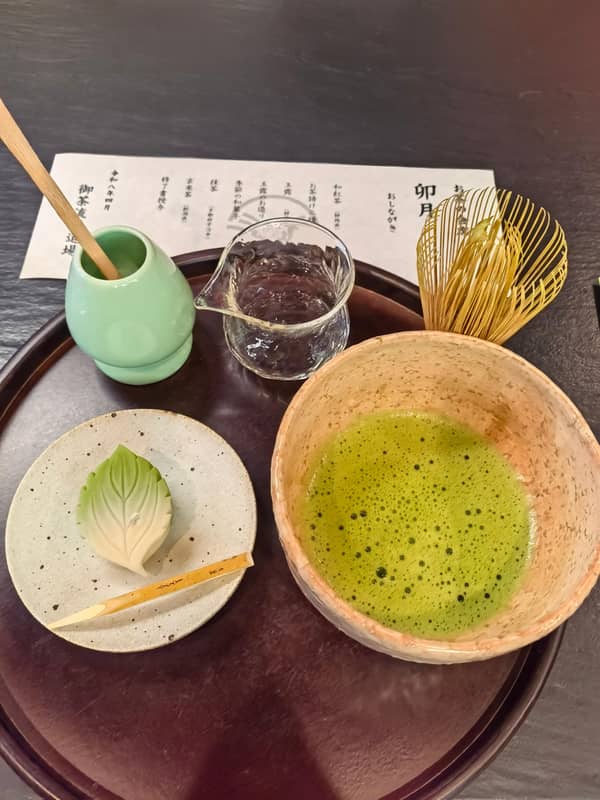
★ 4.9 (602)1 hourFee-free cancellation
from$38
Take a look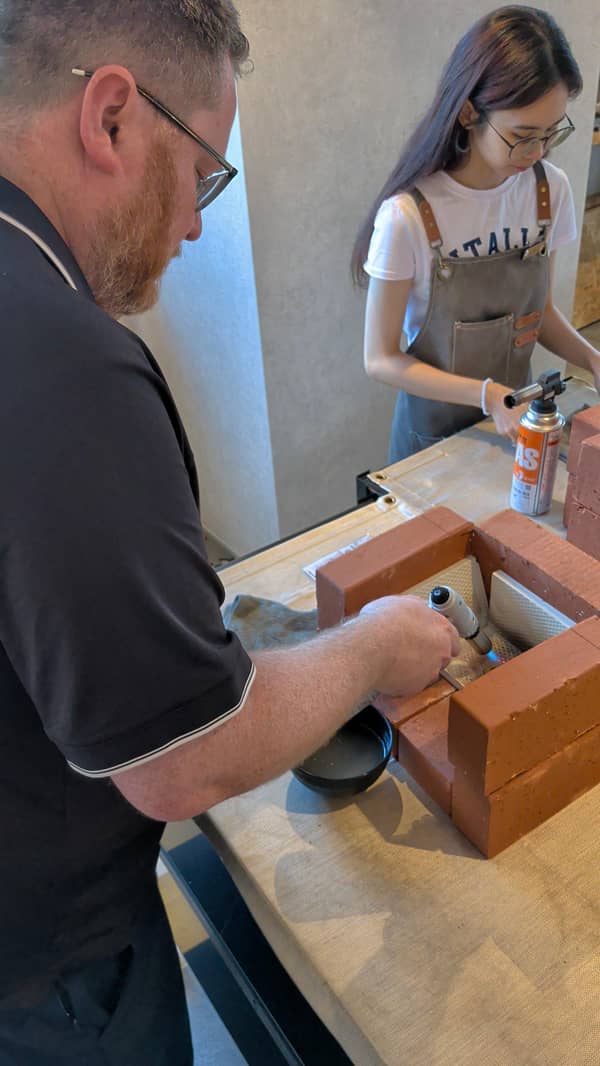
★ 4.8 (530)1 hour
from$6
Take a look
★ 4.7 (437)1.5 hrs
from$43
Take a look
★ 5.0 (2)30 minFee-free cancellation
from$2,864
Take a lookUp-to-date Tokyo tours on GetYourGuide
Look up tours in TokyoPicture book
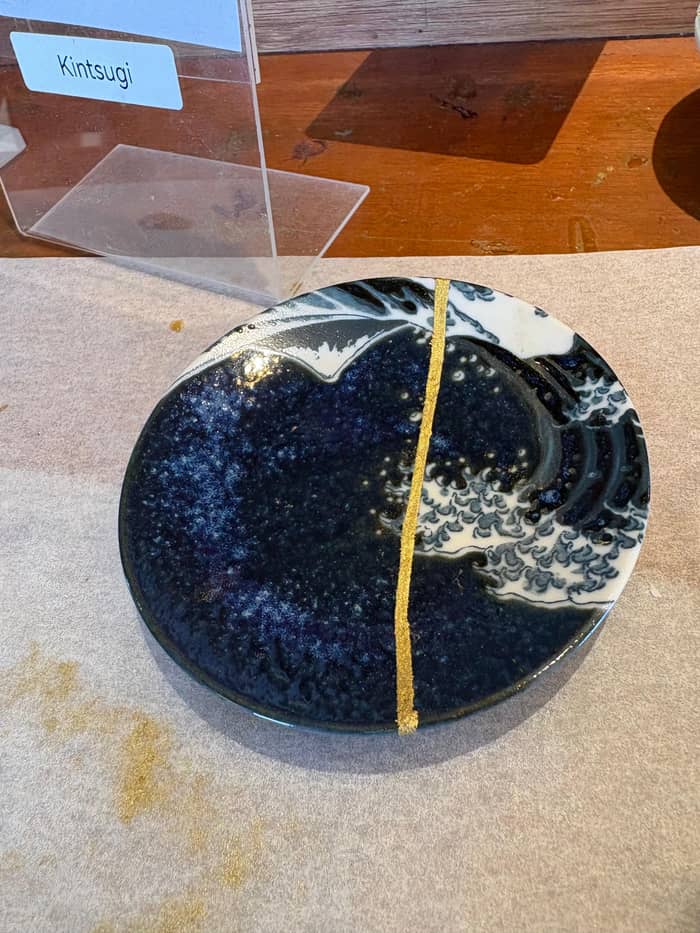
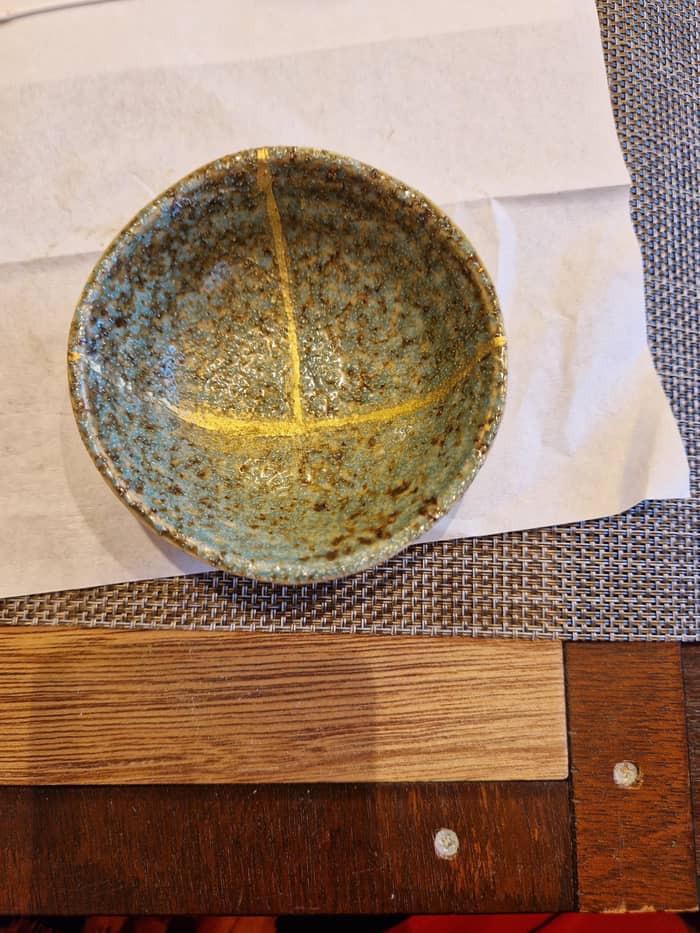
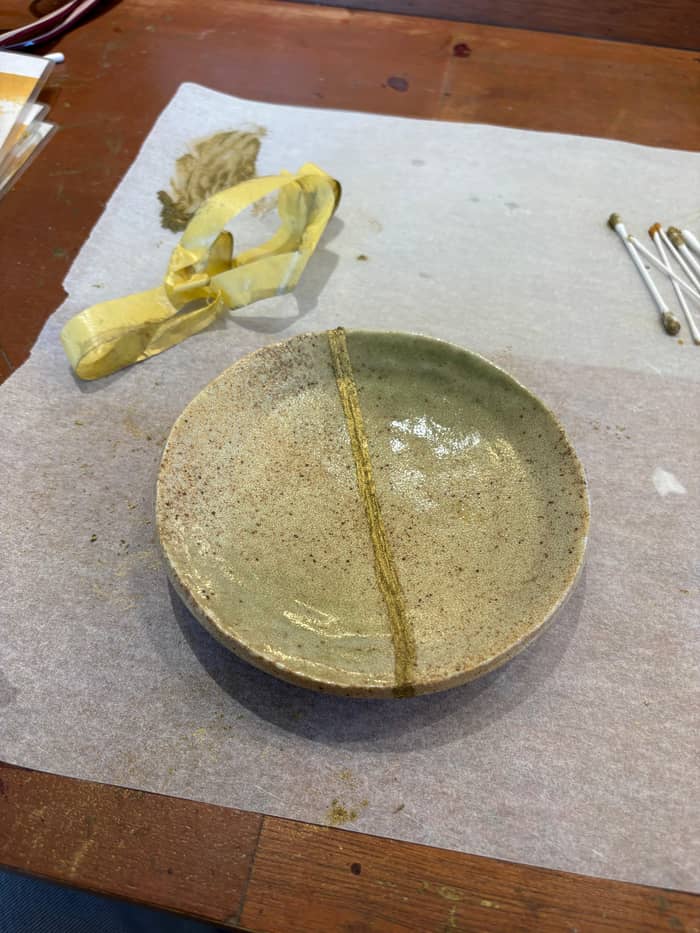
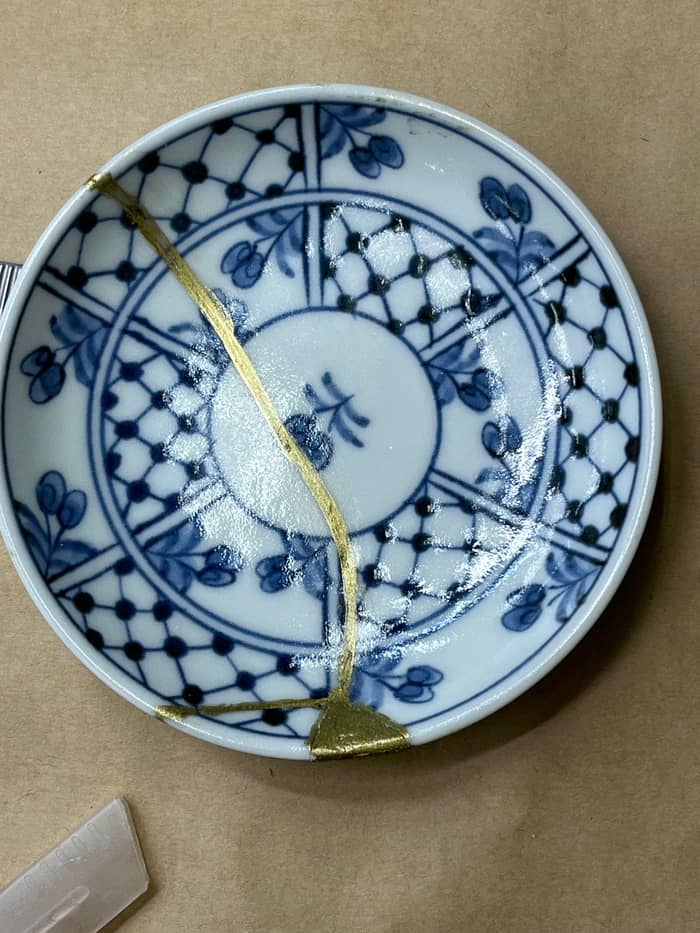
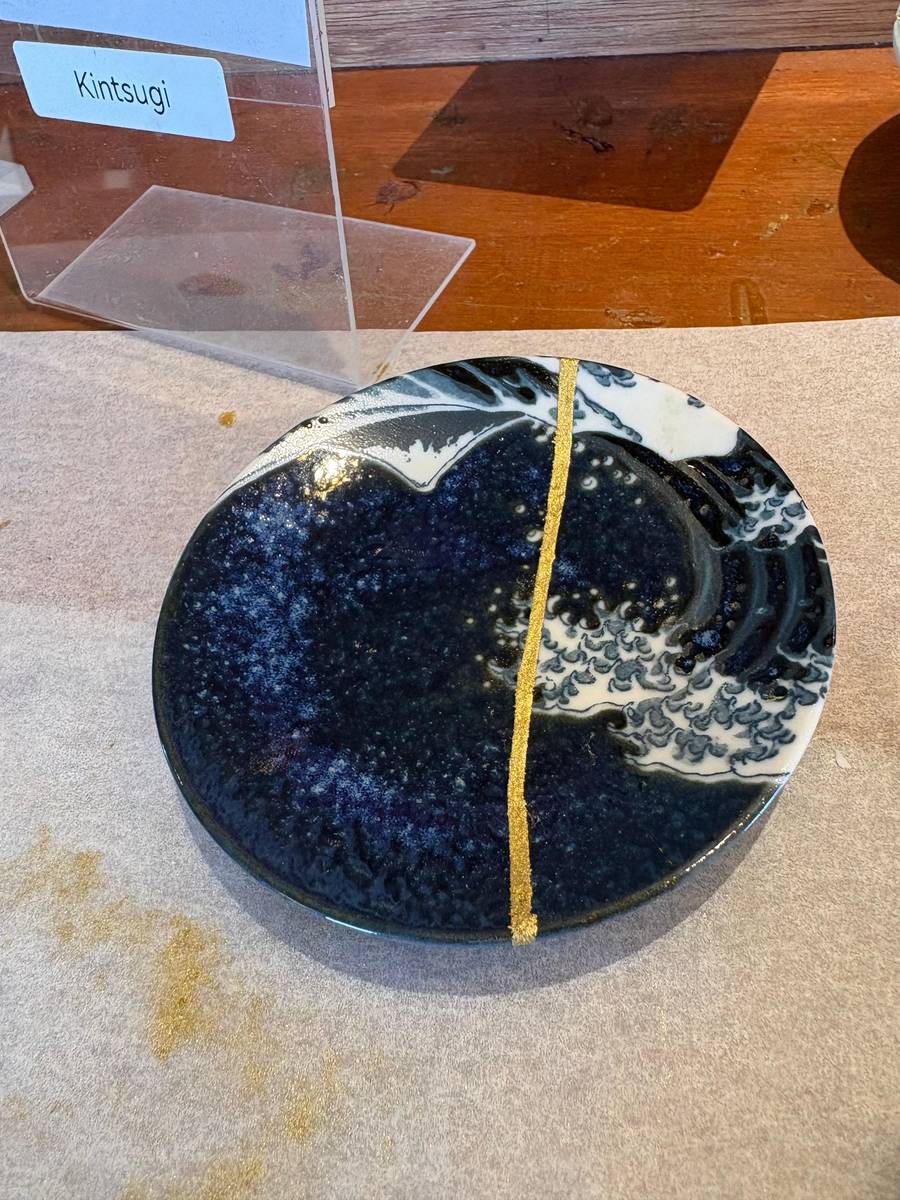
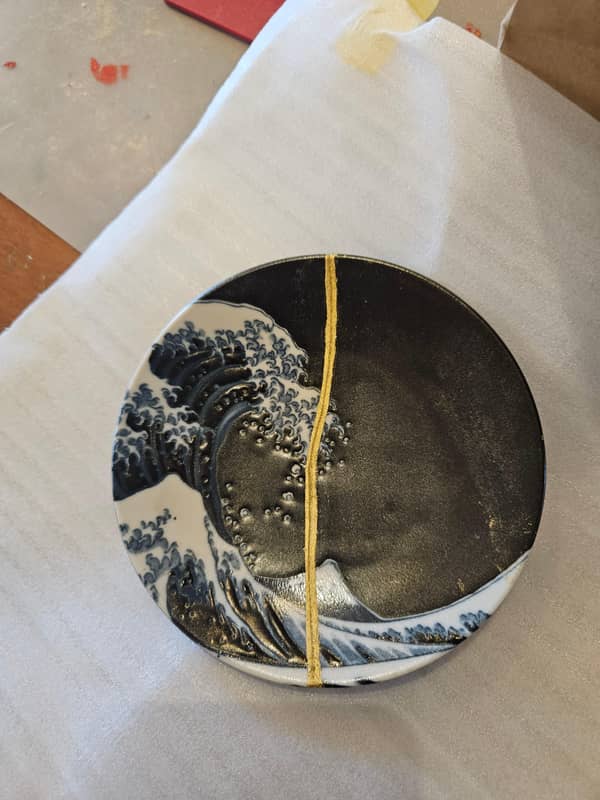
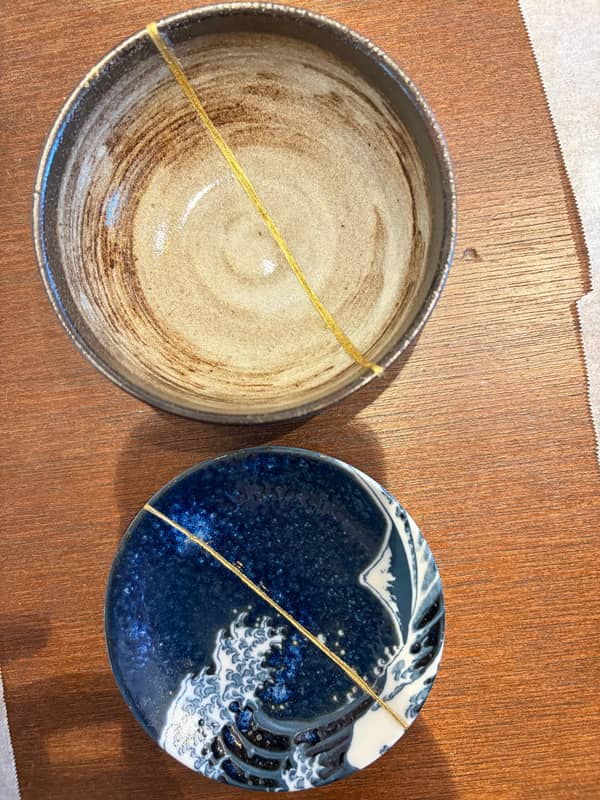
Pieces mended in kintsugi classes in Tokyo
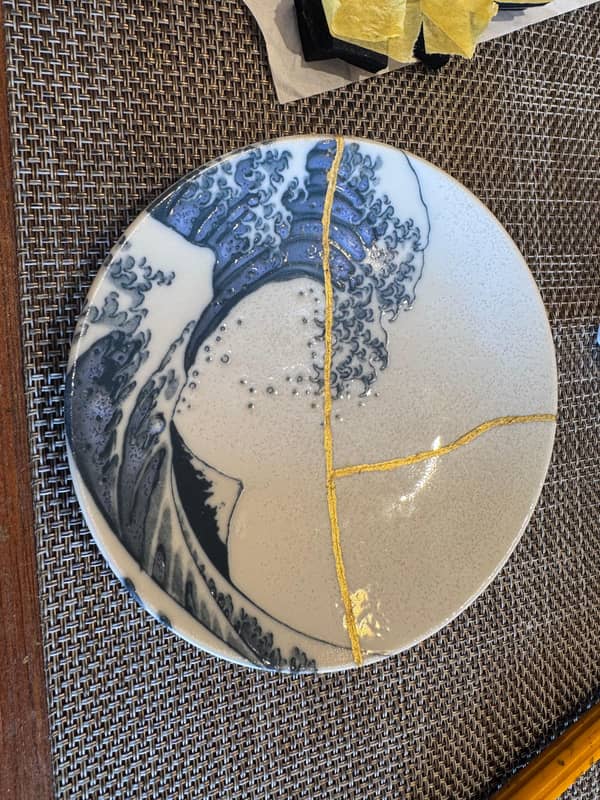
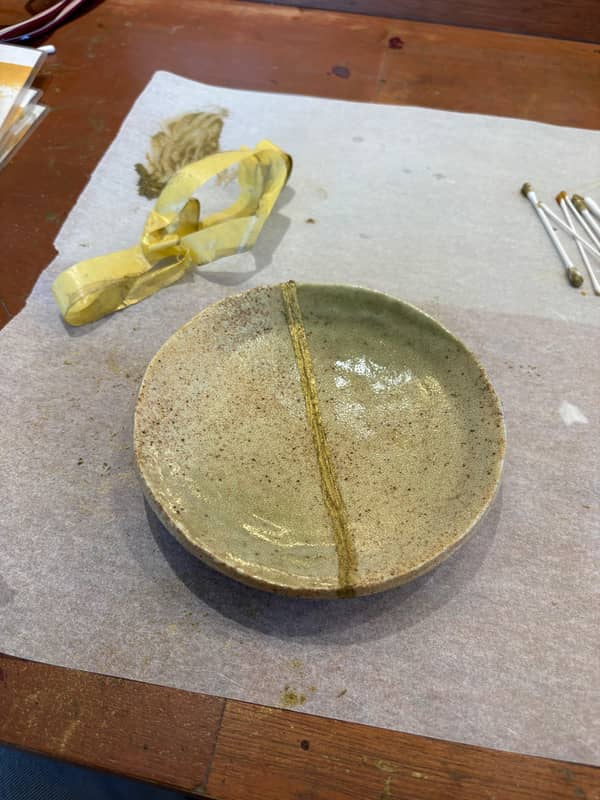
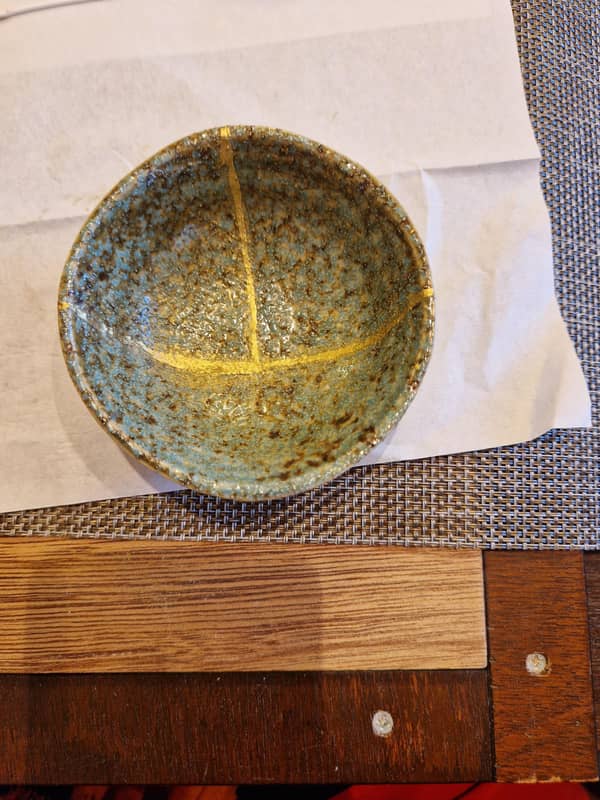
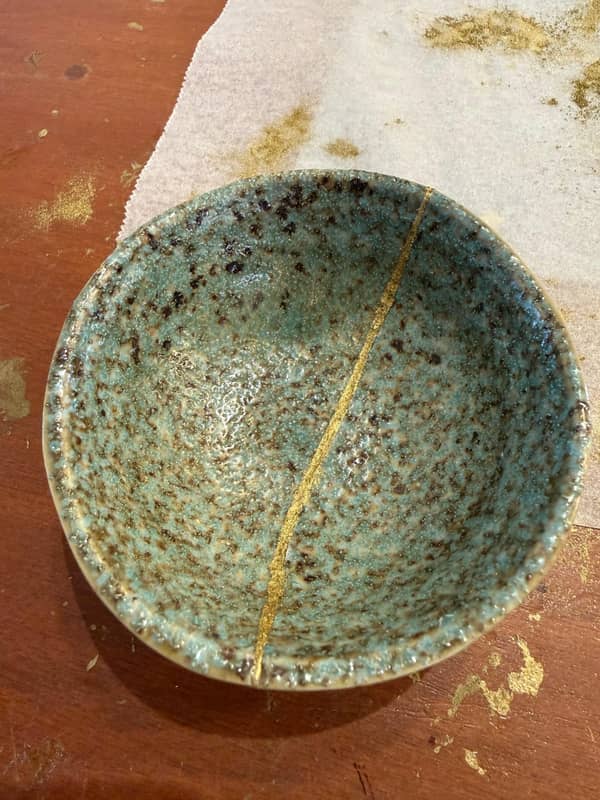
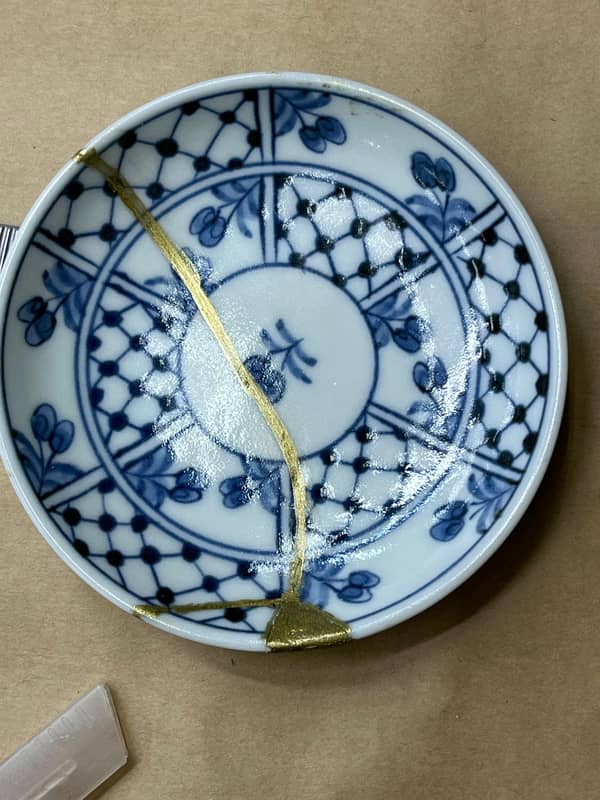
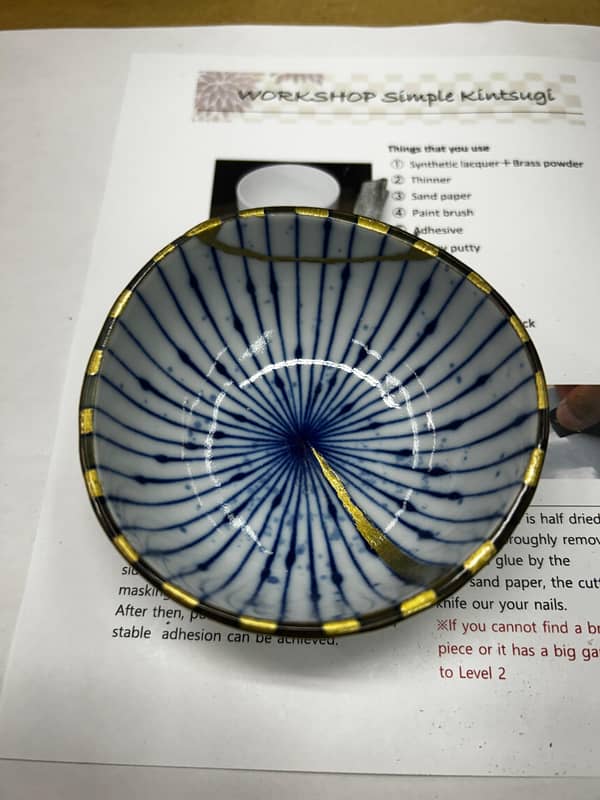
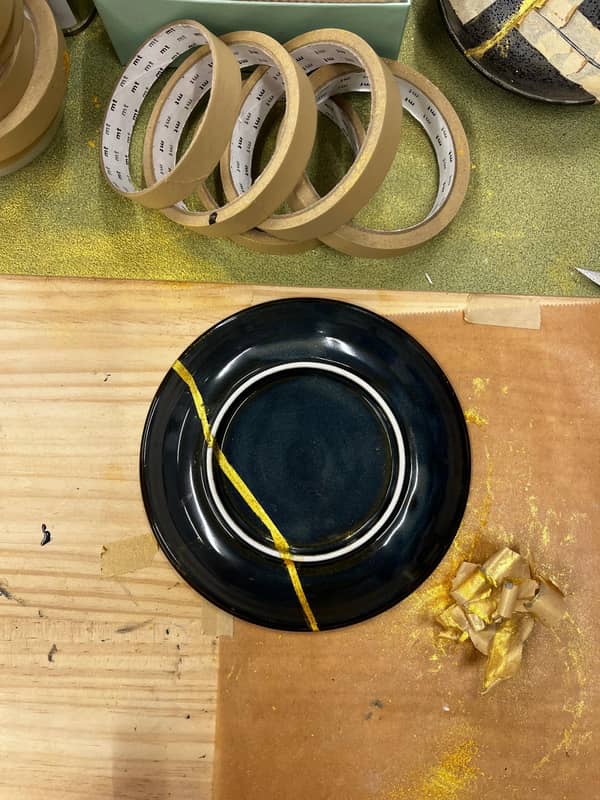
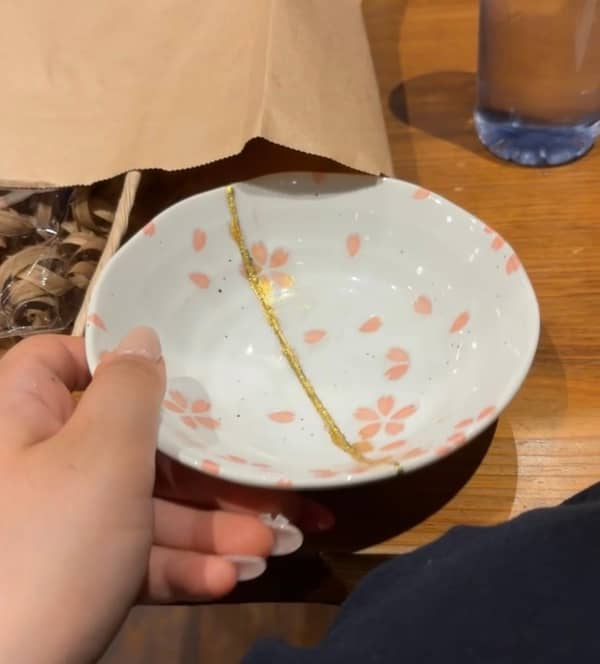
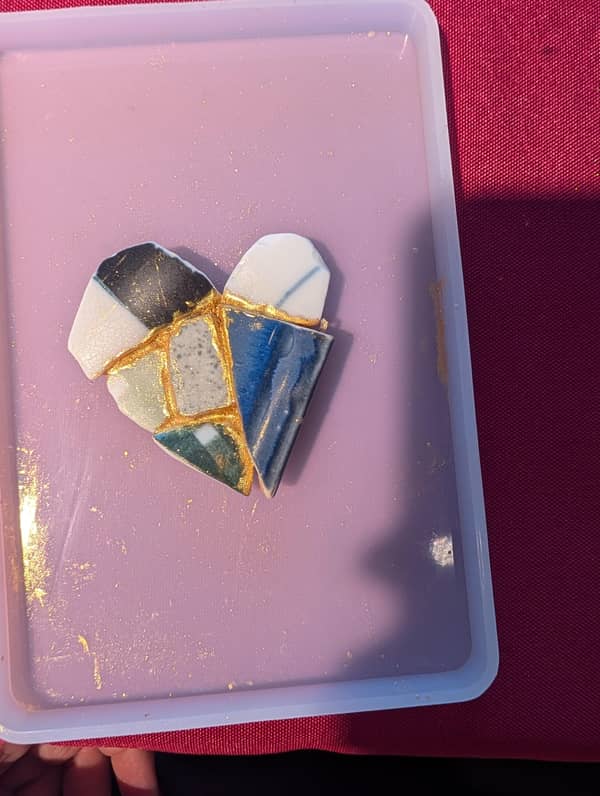
why kintsugi
Mending vessels with lacquer goes back to the Jomon period, long before the gold, according to Japan Up Close. Kintsugi itself began to be used in the Muromachi period, from 1336 to 1568, when tea ceremony culture flourished. A seam of gold on a bowl is therefore a very old idea, and a kintsugi class in Tokyo lets you try it with your own hands.
The craft also has a meaning that visitors like to take home. Japan Up Close says kintsugi sees breakage and mending as part of an object's history rather than something to hide, and notes its similarity to wabi-sabi. That is the story our guides unpack, from the history page to the page on words and philosophy, and it gives a souvenir a point that a shop-bought cup lacks.
The word is now common enough to sit in a dictionary. Nippon.com reports that kintsugi was added to the Oxford English Dictionary in March 2024. That recognition has made the workshop a popular stop on a Tokyo trip, and a thoughtful gift for anyone who has ever broken a favorite plate and could not bring themselves to throw it away.
Book with a free cancel optionWhen to go
Monthly highs, lows and wet days from the NOAA station in Tokyo, 4.4 km away, averaged over 1971 to 2020; day lengths are our own sums.
Tap a month to check its heat and rainfall.
cost and cancelling
Prices open at $15 per person. That is a starting figure and not a quote: the booking panel above fetches the price of your date from Viator, so checkout shows the amount that counts, with no surprises added at the door, and the date you pick stays yours until you cancel it, so there is nothing to guess.
Cancel more than 24 hours ahead and your money comes back; cancel later and nothing is refunded. If your plans might shift, put the cut-off in your calendar, since a typhoon warning or a delayed flight is the kind of thing that arrives the night before, and a refund is worth having then, when plans change fast.
No cash changes hands: the studio takes cards only, and Discover, Diners Club, JCB, American Express, Mastercard and Visa are all accepted. Keep a card handy, since the staff cannot take cash at the door, and check that your card works abroad before you leave home so the booking never stalls at the last step and your date stays secured.
Book with a free cancel option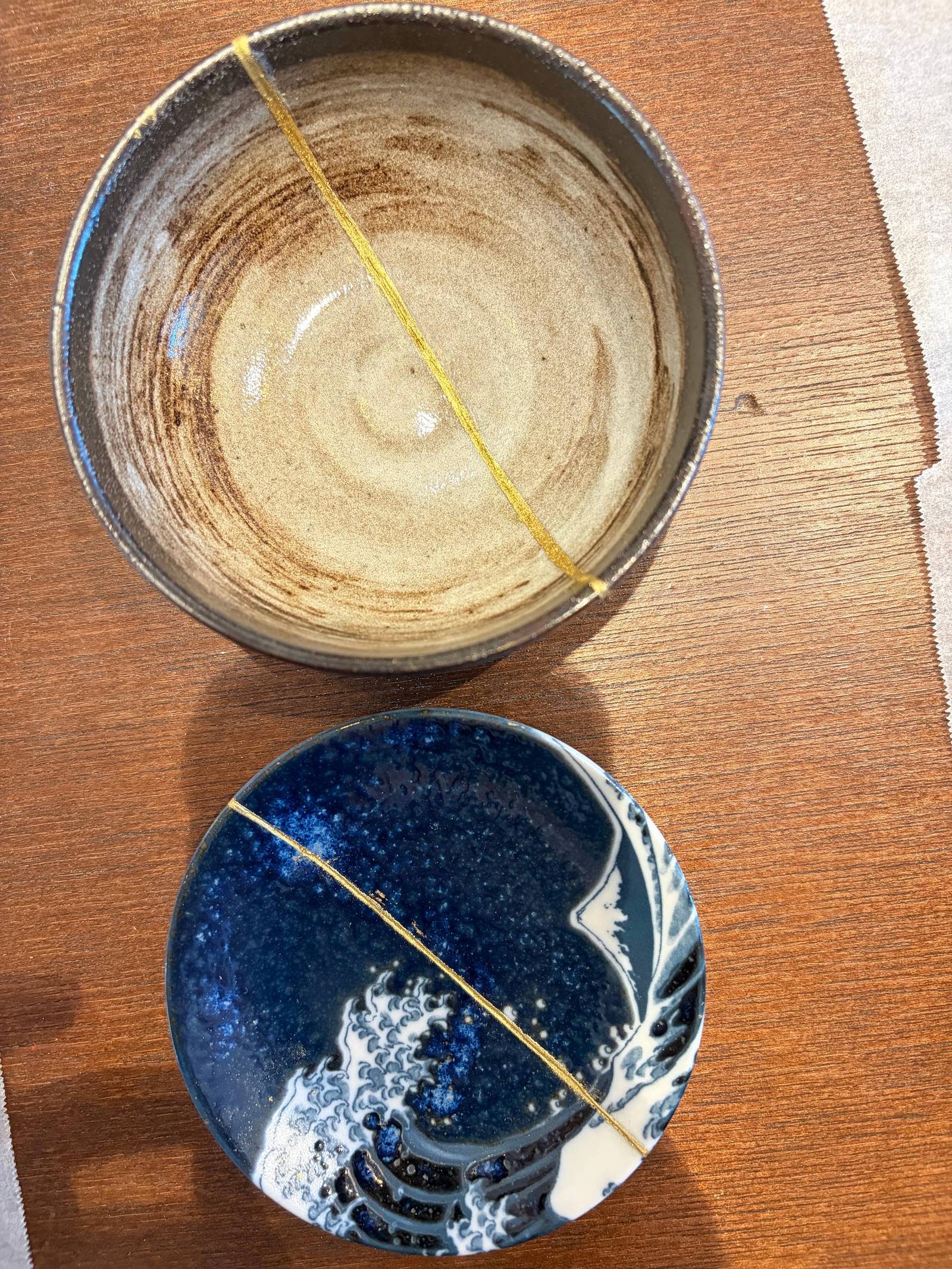
Your hour in Asakusa
Choose a date near Senso-ji, safe in the knowledge that cancelling stays free until 24 hours before.
finding the room
You will find it on the 10th floor of a building, with a workshop sign by the entrance, and the listing puts the studio minutes from Senso-ji. No street address appears in the data we hold, so the confirmation message is your guide to the exact spot; keep it open on your phone, and screenshot it in case your signal drops inside the lift.
Allow a few extra minutes to spot the right door. Anyone who turns up over 15 minutes after the start can be moved to another slot, since lateness disturbs the bookings that follow. Listing details also say there is no space for suitcases, so leave your luggage at the hotel when you can and arrive with only what you need for the hour.
Our map on the pages about museums and shopping shows Senso-ji, Kaminarimon and the Asakusa stations, which is useful for planning the rest of the day. A morning at the workshop and an afternoon along Kappabashi makes an easy loop in this part of Tokyo, with the station never far from your next stop.
Book with a free cancel optionBy the stars
Bar lengths come from all 1,300 ratings the tour has received so far, and the average of them is 4.9.
from $15 · cancel free of charge
Instant confirmation · powered by Viator
the rating counts
The class has 1,300 ratings on Viator, averaging 4.9, and 1,243 of them are five-star. The remainder is split between 43 four-star, 4 three-star, 4 two-star and 6 one-star ratings. A large sample sitting this close to the top score is uncommon for a craft class that depends on its instructor, and it suggests the experience is consistent.
The counts are what we can verify. As a cross-check, our class comparison page lines this workshop up against others in Tokyo by rating count, length and price, and notes that the longer 1.5-hour Asakusa class has 844 reviews. The review cards below restate what recent guests wrote, in our words, so you can judge the tone without wading through pages of text.
In short, plenty of people have tried it and few were unhappy. Still, a hands-on session shifts with the room, the piece and the instructor, so treat the average as a good sign and not a promise, and keep your expectations practical, since the best sessions come from curious guests and patient teachers.
Book with a free cancel option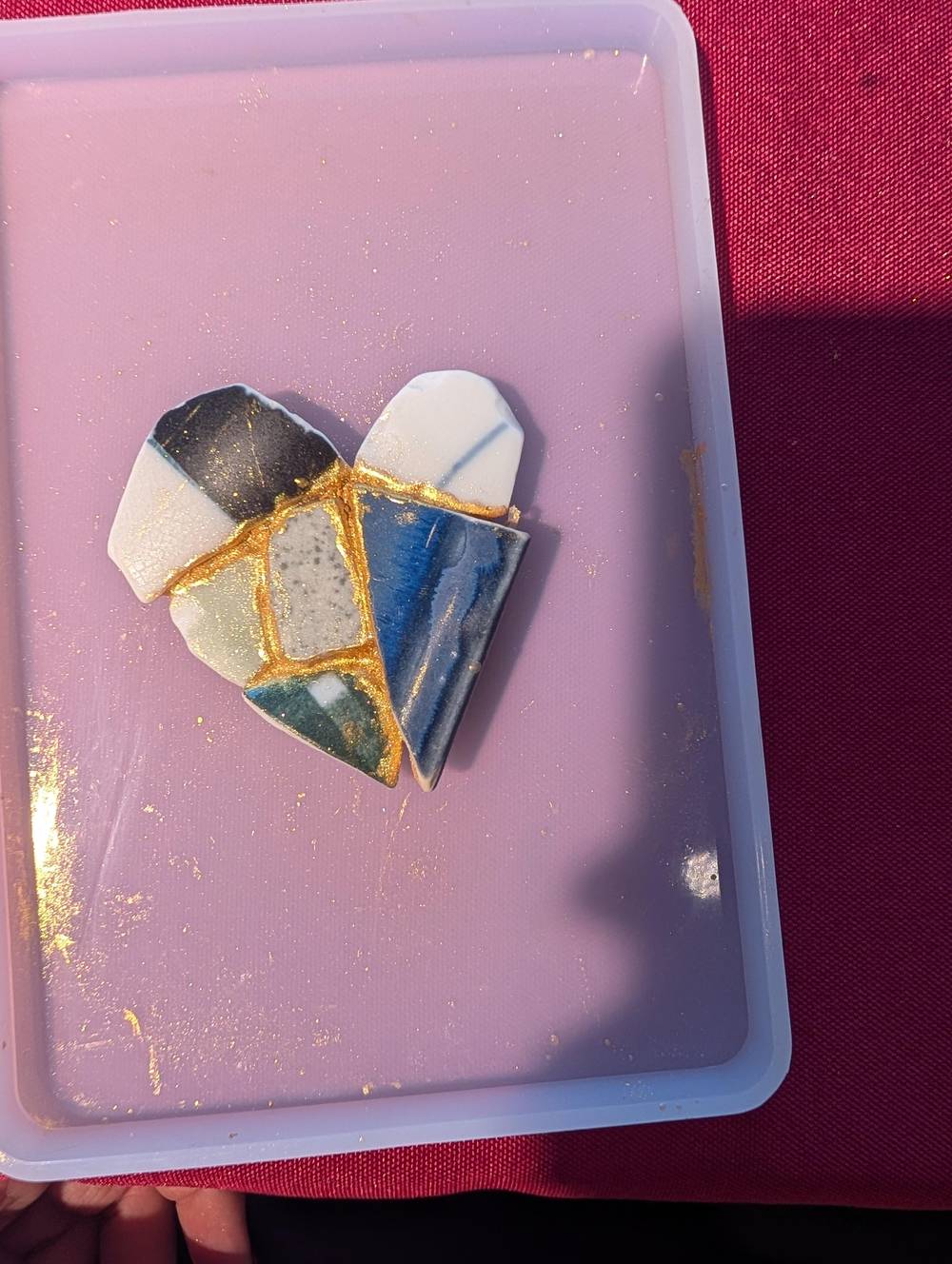
FAQ
On the 10th floor of a building, with a workshop sign by the door.
It covers assembling the pieces, applying lacquer and brushing gold along the cracks.
The group is shared and led by a live guide in Japanese and English.
The listing says guests leave with their own golden-repaired ceramic piece.
The listing says real urushi lacquer and gold powder are used in the workshop.
Inside that window there is no refund, so check the cut-off before you book.
Cards only: JCB, Discover, Diners Club, American Express, Mastercard and Visa are all accepted at the door.
Children 0 to 12 and adults 13 and over are the bands, with one adult required per booking.
The record also lists it as suitable for all physical fitness levels, with every area and surface accessible.
The class is held inside, high on the 10th floor, so rain changes nothing.
choosing a piece
The listing says the workshop includes a variety of tableware to choose from, along with the traditional tools and the use of the studio. It does not describe the pieces, so ask the staff what is on offer on your day. A plain, dark piece makes the gold seam stand out, while a busy pattern competes with it and hides the line you worked on.
In traditional work, urushi is the binder with rice glue that joins the fragments, and gold powder is sprinkled onto the cracks while the glue is still tacky. Our page on traditional against modern kintsugi explains why some Tokyo classes use resin instead of lacquer, and what that changes for food use and for the time the piece needs to set.
Remember that a finished seam needs time to cure, and that a piece made in an hour is a keepsake before it is tableware. If you plan to eat from the plate, ask the staff whether it is meant for food, and how long to wait, before you serve a meal on it. A shelf is a safe home for a first attempt, and a good place to admire the seam.
Book with a free cancel optionThe score in numbers
Of 1,300 ratings on Viator, 1,243 are five-star.
The rest split into 43 four-star, 4 three-star, 4 two-star and 6 one-star ratings, so the lower scores are a thin slice of a large sample.
kids and access
The Viator record lists children 0 to 12 and adults 13 and over as the age bands, and every booking needs at least one adult. Infants are required to sit on an adult's lap. That makes the workshop workable for a family with a baby, though the brushes and the powder are better suited to older children who can sit still and follow the steps.
Wheelchair users are catered for, according to the record, which marks every area and surface as accessible and the activity as fitting all fitness levels. No minimum age is given for the work itself, so ask the staff when a child is very small, and mention any mobility needs while booking, so the studio can seat you comfortably.
Lacquer is a skin irritant for some people. LACMA calls urushi toxic, and a Tokyo studio recommends its resin class to guests who are sensitive to it. If anyone in your party reacts to plants or to lacquered objects, tell the staff before you start, so the instructor can guide each person with that in mind and keep the lacquer away from bare skin.
Book with a free cancel optionOur Asakusa class in brief
Our choice for kintsugi in Tokyo is a 1-hour session high on the 10th floor of a building by Senso-ji, open to as many as 30 guests at once with a live guide in English and Japanese. The listing says guests use real urushi lacquer and gold powder and leave with their own golden-repaired ceramic piece. It starts from $15 per person and holds 1,300 ratings averaging 4.9 on Viator.
Cancel for free up to a day beforehand
rain and heat
Because the studio is indoors on the 10th floor, wet weather does not stop the session. GO TOKYO describes June to mid-July as the damp, sticky rainy season in Tokyo, with humidity regularly over 80%. An indoor hour of quiet work is a good answer to a day of rain, and it keeps your plans from falling apart when the weather turns, even on a day that looked fine at breakfast.
Once the rains pass, GO TOKYO adds, the city turns very hot and humid, and temperatures can climb past 35 C. August opens the typhoon season, bringing strong wind and heavy rain, so leave a margin before a morning slot and watch the forecast the night before. Cooler months are easier on the walk between the station and the studio, and on the hands that hold the brush, which stay steadier when you are not sweating.
Scroll to the weather chart for month-by-month highs, lows and wet days at the Tokyo station behind this site. GO TOKYO adds that the temperature and humidity gradually drop into a crisp, comfortable autumn, which makes it an easy season for a workshop followed by a stroll around Senso-ji and the streets beyond it.
Book with a free cancel option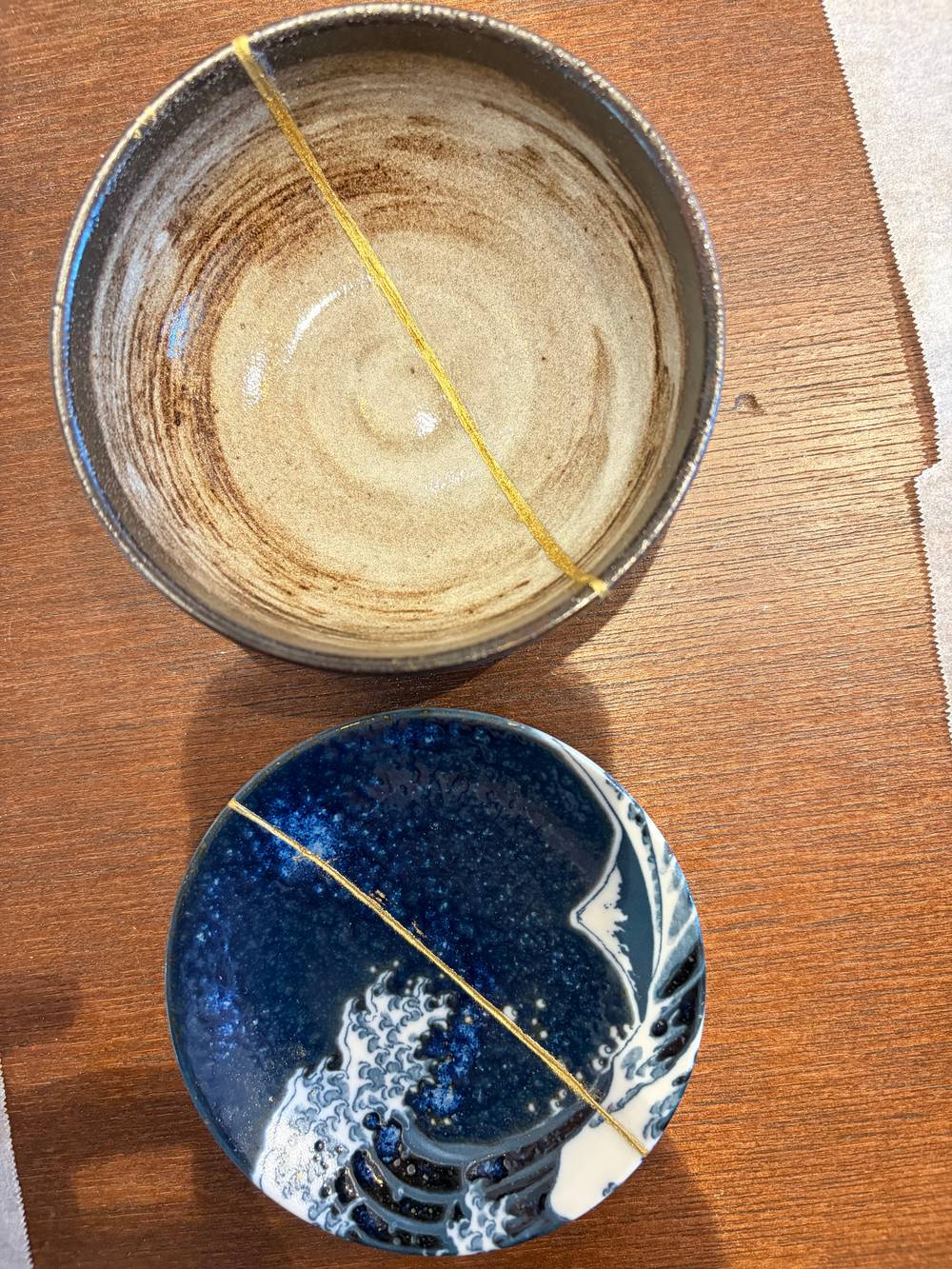
around the class
Our guides cover the world around the workshop. The Tokyo National Museum records a Ninsei water jar mended in kintsugi after the 1923 earthquake, and a Joseon tea bowl with repairs in gold lacquer, which our museums page maps. Seeing a mended piece in a case first can make the hour at the bench more meaningful.
Walk 5 minutes from Tawaramachi Station and you reach Kappabashi, a kitchenware street of 800 meters with over 170 shops. The Oedo Antique Market at Tokyo International Forum has free admission and 250 dealers on set dates. Both are good places to find a plain bowl or plate to practice on, or an old one worth mending.
Our pages on where to buy kintsugi and on Japanese pottery shopping lay out the shops, kits and tax-free rules, for the day after the workshop. Between them, a trip to Asakusa can easily fill a day, and nothing in the plan needs more than a short ride on the Tokyo Metro or a walk between stops, with plenty of cafes along the way.
Book with a free cancel optionPlan and book
Prices are fetched live from GetYourGuide and Viator and match what it shows, with no manual entry on our side.
packing and asking
Bring your booking on your phone, a card and some patience. Leave bulky bags at the hotel, since the listing notes no space for suitcases. Wear comfortable clothes, because brushing lacquer and gold is careful, close work, and a little of either can find its way onto a sleeve or a cuff, so choose something you do not mind marking.
At the bench, ask three questions. Which lacquer is it? How should the piece dry afterwards? Can it touch food? A Tokyo studio, for example, keeps its drying box closed in a warm place for at least one day, which shows how seriously curing is taken. The answers tell you how to treat the piece once it leaves the studio and what to expect from it in the weeks that follow.
Ask about the story as well. Instructors who explain the history make the hour feel like more than a craft, and the topics on our word and history pages are good starting points for a question or two, whether about keshiki, about wabi-sabi or about the shogun bowl that the legend tells of, or just about how the gold is made to stick to the seam while the glue is still tacky.
Book with a free cancel optionis it for you
The hour suits travelers who want a hands-on cultural experience in Asakusa with a strong rating base and an easy cancellation window. It also suits families, since the listing sets an age band for children and requires an adult. Solo travelers fit in just as easily, because the group is shared and the staff look after the whole table.
Choose another class if you want a larger piece, a longer session or a smaller room. A 1.5-hour Asakusa class and several small-group classes in Ginza, Shibuya and Nihonbashi are compared on our class page, with their lengths, caps and opening prices side by side, so you can see what an upgrade would cost you.
Choose a resin workshop instead if you are sensitive to urushi or want to take everything home the same day. Either way, we show prices live, so you can decide on facts and not on guesses, and book the one whose length, room and materials match the afternoon you have, without any pressure from us and with the cancellation window in mind.
Book with a free cancel option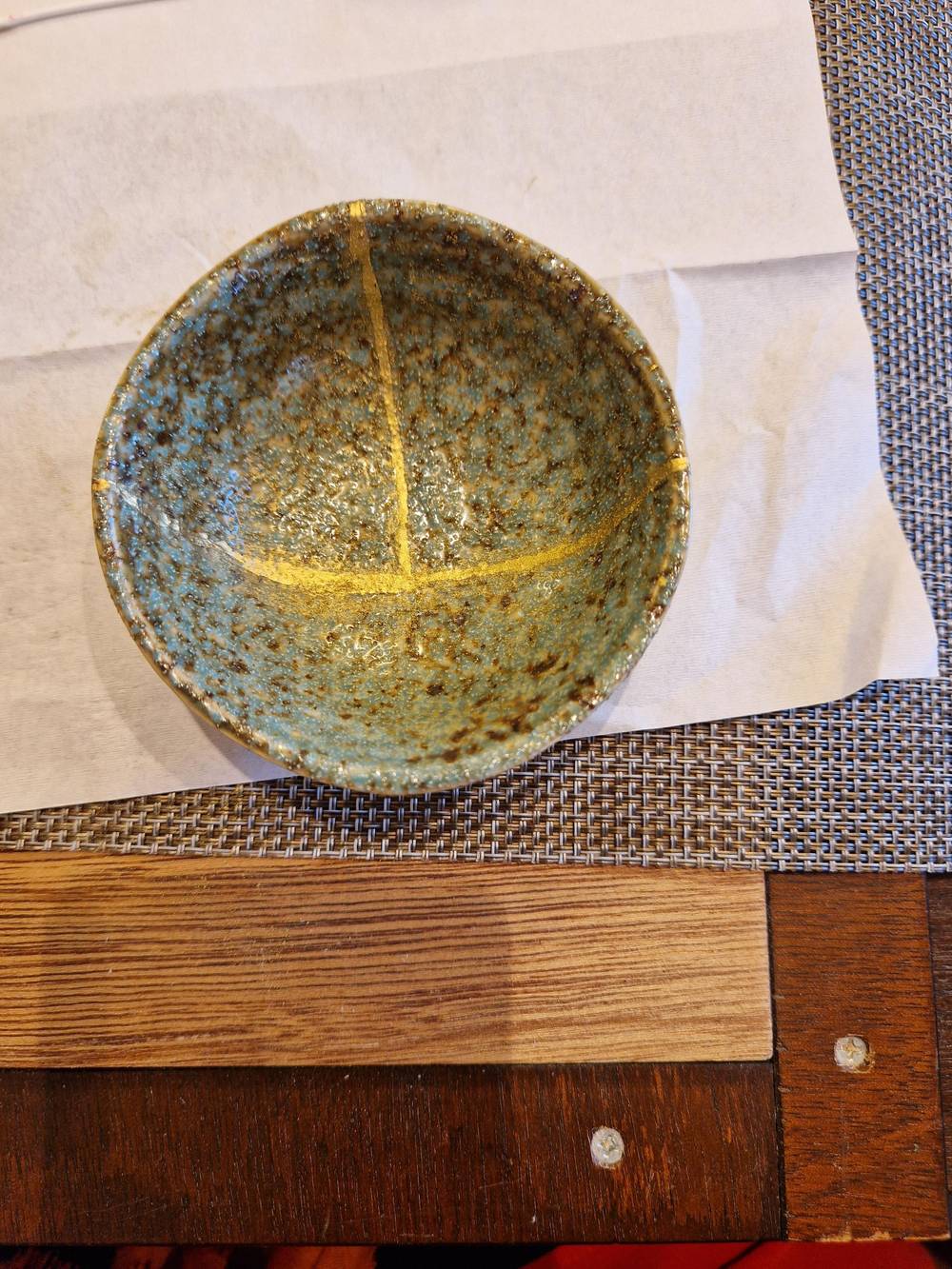
Questions about the session? Someone on the team answers right here.