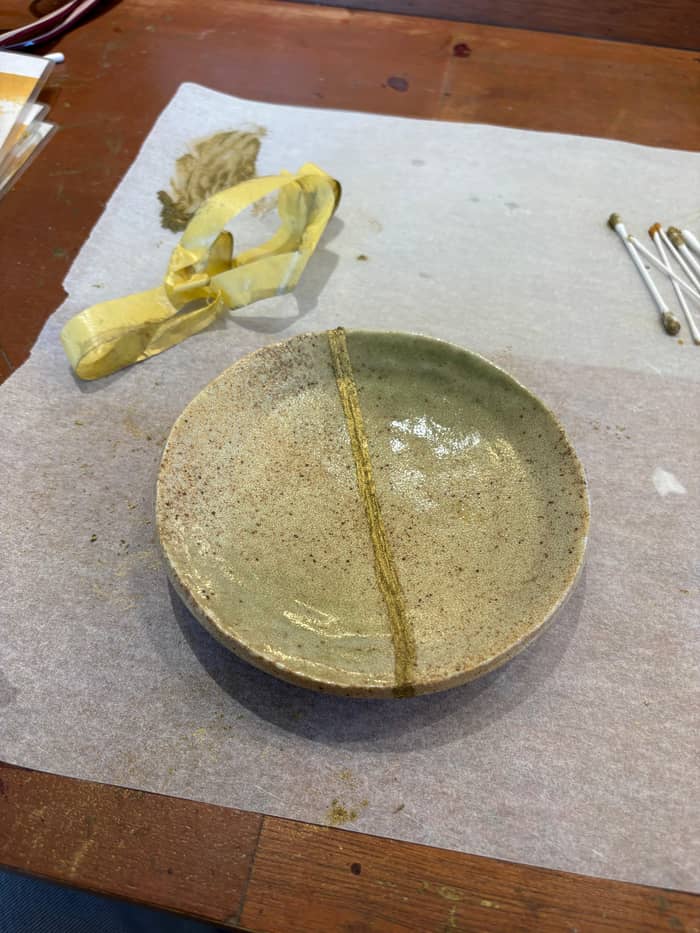
Everyday ware
Kappabashi
Kitchenware street
- Length800 meters
- ShopsOver 170
- Walk5 min, Tawaramachi
Group price calculator
Fast answer
Where to buy ceramics in Tokyo: Kappabashi has over 170 shops along 800 meters, and the Oedo Antique Market adds 250 dealers on set Sundays.
Shopping essentials
Compare 3 side by side
Type your party size and see each class total.
≈
View≈
View≈
ViewFigures are GetYourGuide from-prices, translated at the ECB reference rate. The booking step shows what you pay exactly.
Pottery shopping in Tokyo runs from a long kitchenware street to an antique market. Here is where to look, what the main wares are known for, how to plan the day and how to shop tax-free.
Editorial team, kintsugitokyo.com · Updated November 6, 2026 · Takes 6 min
Basics
If you only have a morning, go to Kappabashi. The street association presents it as the biggest street in Japan for kitchen gear, 800 meters long with over 170 shops.1 GO TOKYO counts approximately 160 shops on the main road and side streets, selling everything from Japanese knives and lacquerware to professional stoves.8 The two counts differ slightly, so read both as roughly the size of the street.
For ceramics, GO TOKYO's own tip is to browse the endless racks of colorful and well-priced Japanese ceramics.9 This is where to buy ceramics in Tokyo if you want volume and variety: rice bowls, plates, teacups and serving dishes for everyday use, sold to restaurants and to visitors alike. Prices are not posted on the official pages, so judge by the shelf tags and compare two shops before you commit.
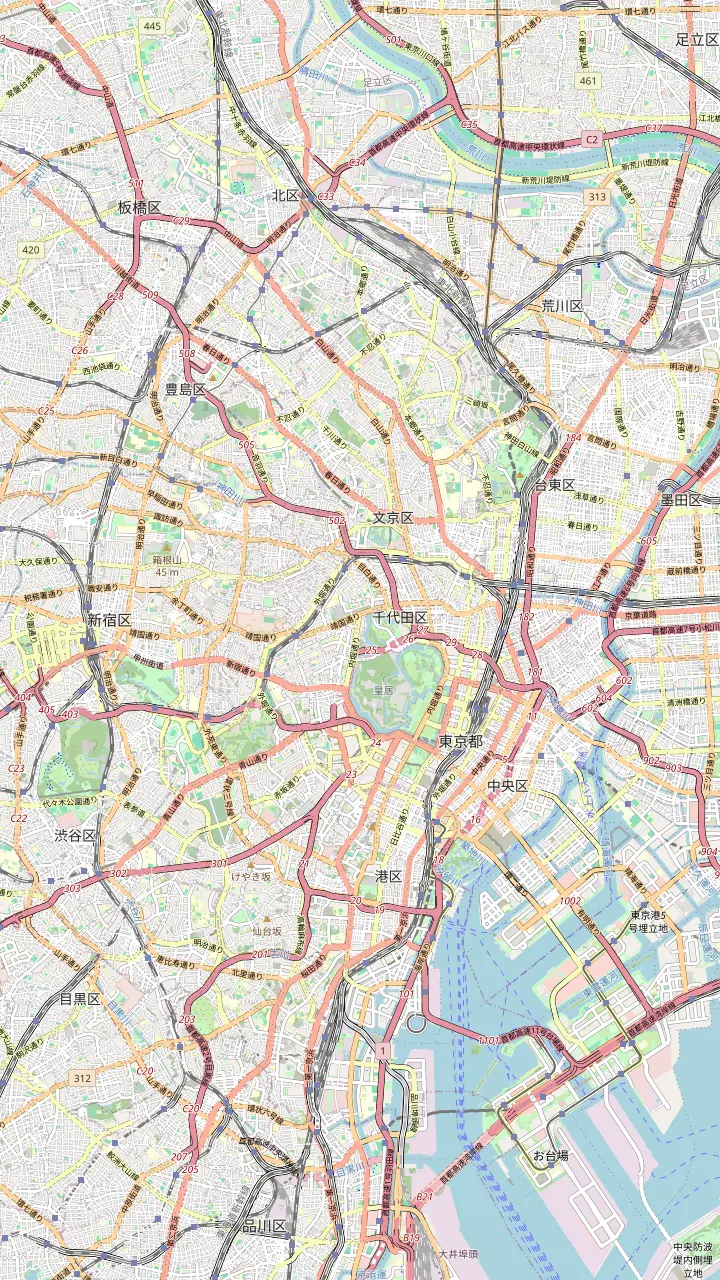
Getting there is easy. From Tawaramachi, a stop on the Ginza Line of the Tokyo Metro, it is a 5-minute walk, and the street sits close to Asakusa and Senso-ji, so a ceramics morning pairs naturally with a temple visit.2 It appears on the map on this page together with the other places we mention. Go early if you want to compare, since browsing several shops carefully takes longer than it looks.
By ware
| Ware | Known for | Where to shop |
|---|---|---|
| Arita | Blue-and-white porcelain | The town of Arita |
| Bizen | Unglazed reddish-brown stoneware | Bizen Pottery Museum |
| Mashiko | Many small pottery shops | Jonaizaka-dori |
| Mino | Deep green copper glaze | Honmachi Oribe Street |
| Tamba | One of the six old kilns | Kamamoto Yokocho |
| Mixed wares | Everyday ceramics | Kappabashi, Tokyo |
Each row restates the JNTO or street sources cited on this page.4,5,13,6,14,15,12,16,1
Not every purchase has to be a dinner set. GO TOKYO says sushi magnets and food-themed smartphone covers are particularly popular souvenirs at Kappabashi, as are noren curtains, ceramic cups and fanciful chopstick rests.11 If you are hunting for cute things to buy in Tokyo that fit in a suitcase, the cups and chopstick rests are the ceramic ones, and they cost far less than a plate.
Small items are also the safest to carry. A rest or a teacup wraps in a sock, and several of them make a better gift than one big bowl, because each friend gets something different. Choose pieces with a simple shape and a thick rim, since thin edges chip in a bag. If one does chip, a mended piece with a gold seam is a story in itself.
Think about use as well as looks. A cup that is lovely but too small for your coffee will sit on a shelf, and a rest that is too large for your plates will not get used. Buy what you will use at home, and keep a plain extra bowl to practice repairs on if you plan to try kintsugi later, a hobby our class page explains.
Sellers counted
For older pieces, the Oedo Antique Market is the best-known stop in the city center. It is held at Tokyo International Forum in Yurakucho, with dates listed on its own site for 2026 on November 7 and 23 and on December 12 and 20, and it does not run in August because of the heat.18 Admission is free, the hours are 9:00 to 16:00, the market closes in case of rain, and it counts 250 dealers.3
A market of this kind rewards patience. Look for chipped or worn plates, and ask the dealer what the piece is and where it was made, since a seller who knows will tell you. A cracked antique plate is also a candidate for a gold repair, because a flaw you can see is a flaw you can decide how to treat.
Because the market closes in rain, check the weather before you go. Check the market's own site for the date nearest to your trip, since the dates are fixed in advance and the venue is a short walk from Yurakucho Station. Our map marks the forum so you can see how it sits against Kappabashi and Asakusa.
Where to shop
Start with the kind of piece you want.
If I want plain bowls and cups
Kappabashi
If I want an old plate with character
The antique market
It has 250 dealers and free entry, though rain closes it.3
If I want to see a ware in its home town
A pottery town trip
Mashiko has over 30 shops on one street.6
If I want a small gift
Cups and chopstick rests
GO TOKYO lists them among popular souvenirs.11
If I want a piece to mend with gold
A plain-glazed bowl
Studios take repair consultations for broken ceramics.17
Three outings
Everyday ware
Kitchenware street
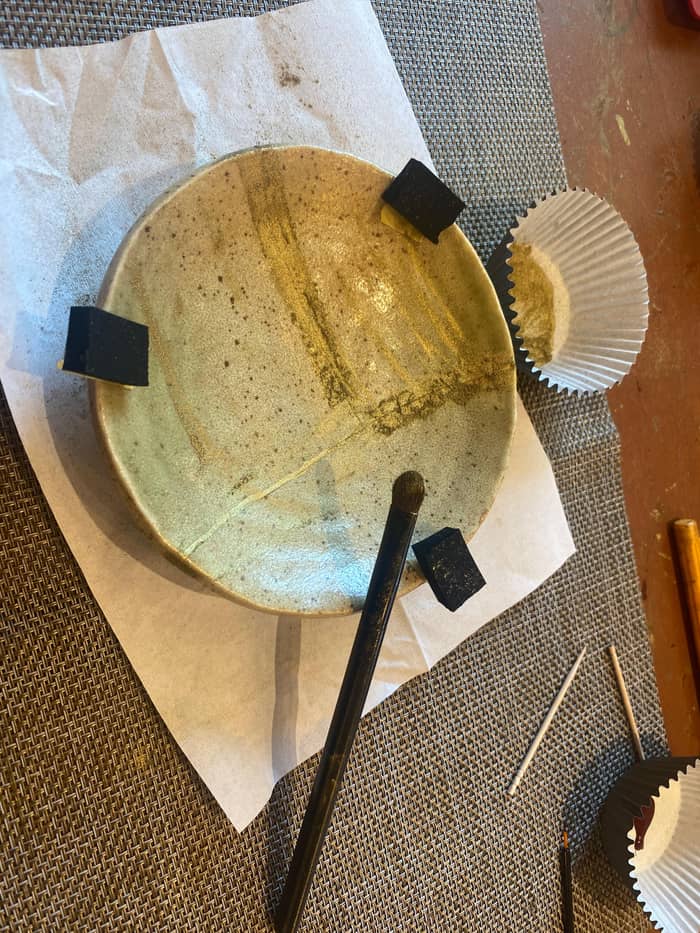
Old pieces
Tokyo International Forum
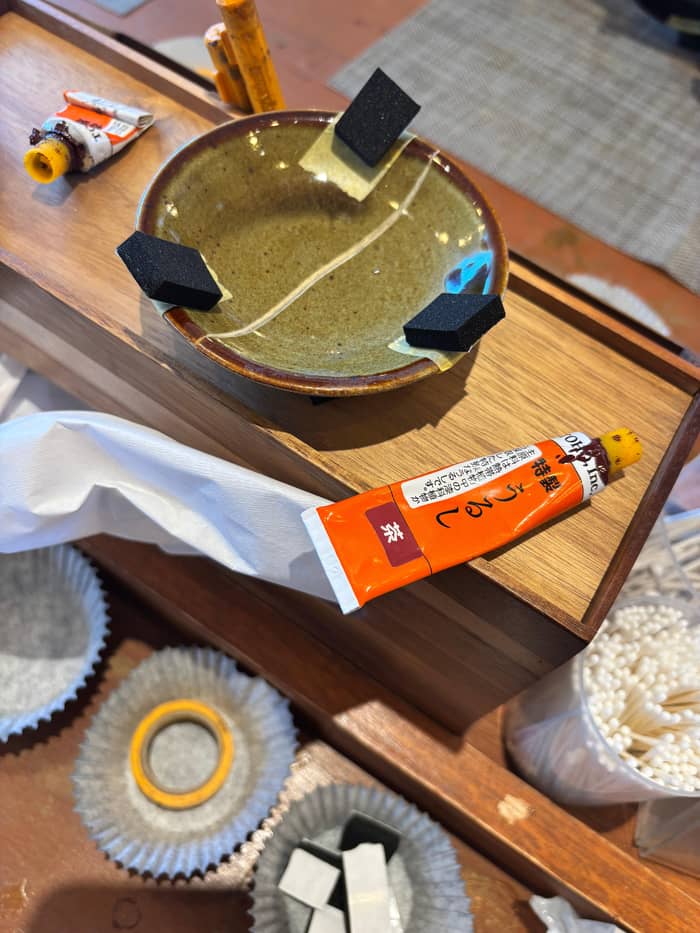
Potters' shops
Pottery town day trip
Shops in Tokyo sell wares from all over Japan, so it helps to know the names. JNTO says Arita is famous for its traditional blue-and-white glazed porcelain, while Bizen ware first appeared in the 14th century and is unglazed, with an earth-like reddish-brown color.4,5 Mino ware, centered in Tajimi, is known for its signature deep green copper glaze and 1,000 years of history.14
JNTO also lists the six old kilns, namely Shigaraki, Tamba, Bizen, Tokoname, Echizen and Seto.16 If you are wondering where to buy Japanese ceramics in Tokyo from those traditions, the home towns are the richest sources, and Tokyo's own shops show a mixed selection. A label naming the ware and the town is a good sign of a careful seller.
The home towns have their own shopping streets. Visitors to Mashiko can stroll Jonaizaka-dori and admire more than 30 pottery shops, and at the Tachikui Pottery Village in Tamba more than 50 shops line Kamamoto Yokocho.6,12 In Mino you can shop on Honmachi Oribe Street and make pieces at Ceramic Park Mino, which fires and ships them home for you.15
Map
Start with the two museums, then walk the Asakusa streets around Senso-ji and Kappabashi, and finish with the antique market and the Ebisu studio.
Map of 9 stops
Choose a route, then tap a marker or stop for a note and Google Maps.
Its collection records include a Ninsei water jar mended in kintsugi after the 1923 earthquake and a Joseon tea bowl with repairs in gold lacquer.
Google MapsOpen 10 am to 5 pm, with the garden and cafe on the same hours, and closed on Mondays except when a national holiday moves the closing to Tuesday.
Google Maps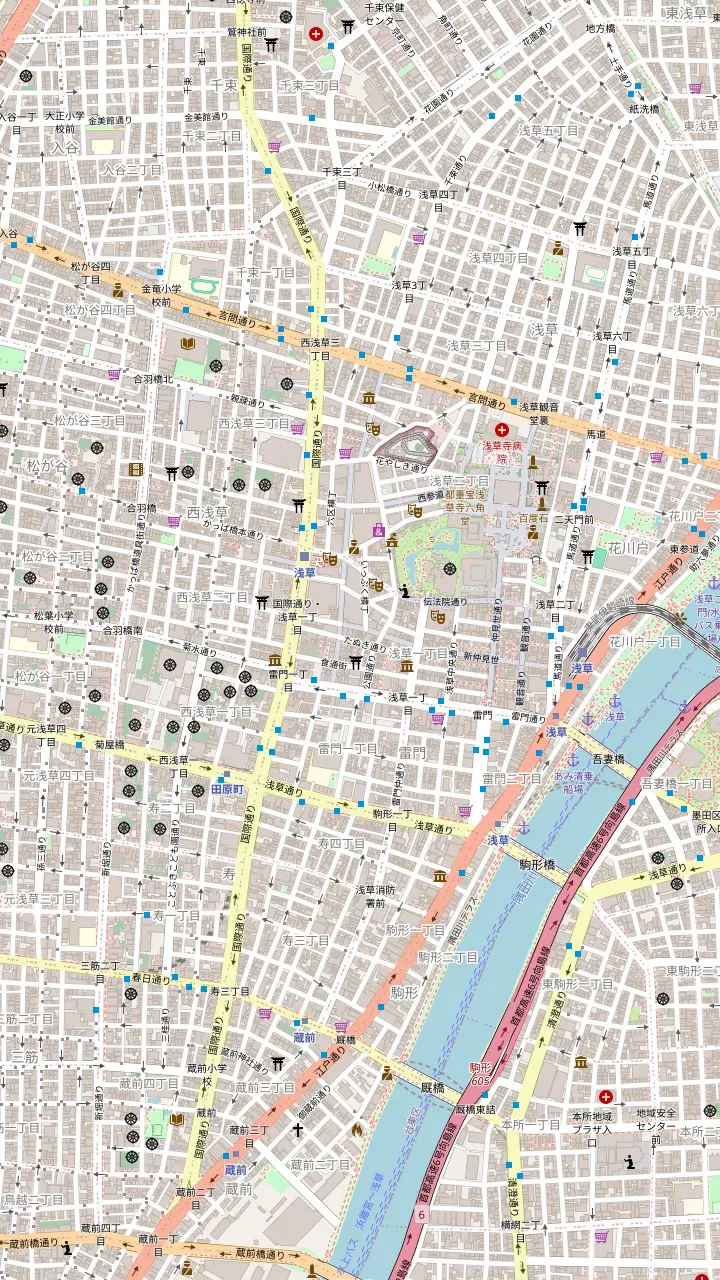
The Tsugu Tsugu studio in Asakusa has its address on Kaminarimon, at 1-1-2, near the gate.
Google MapsOur listing places the kintsugi workshop minutes from this temple, on the 10th floor of a building with a sign at the entrance.
Google MapsThe Tsugu Tsugu studio is 3 to 4 minutes on foot from this station.
Google MapsKappabashi is 5 minutes on foot from this stop on the Ginza Line.
Google MapsThe kitchen street has about 160 shops, with racks of colorful, well-priced Japanese ceramics.
Google Maps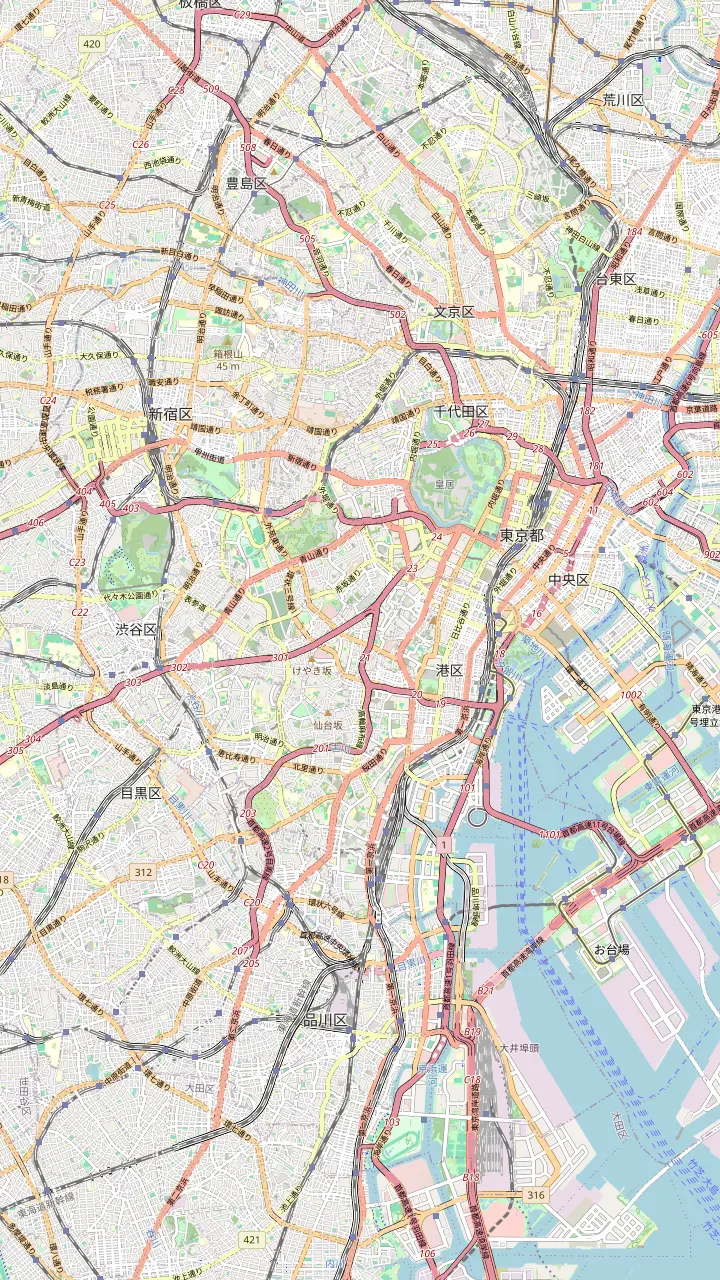
The Oedo Antique Market has free admission, runs 9:00 to 16:00, closes in rain and counts 250 dealers.
Google MapsThe Tsugu Tsugu Ebisu studio is 12 minutes on foot from here.
Google MapsMap © OpenStreetMap contributors
A ceramics day
Morning
Start at Tawaramachi Station, 5 minutes from the street.2
Browse
GO TOKYO tips racks of colorful, well-priced ceramics.9
Midday
About 160 shops line the main road and side streets.8
Sunday
Free admission, 9:00 to 16:00, closed in rain.3
Before flying
Present your passport within 90 days of purchase.10
A good piece is one you will use, and that includes pieces you may one day repair. JNTO describes a tradition in which potters sought simplicity and asymmetry, the wabi-sabi acceptance of transience and imperfection, in contrast to perfectly executed porcelain.25 A plate with a plain glaze lets a gold seam become the decoration, while a busy pattern competes with it.
Think about how much you would miss the piece if it broke, because a mend suits a favorite far better than a throwaway, and a piece with a story is more likely to be cared for. Look at the glaze, the weight and the shape in your hand before you pay. Museums show what a mend can add: the Tokyo National Museum records a Joseon tea bowl listed as stoneware with repairs in gold lacquer.20
You do not have to wait for an accident. Tsugu Tsugu, an Asakusa studio, takes repair consultations and estimates for cracked, chipped or broken ceramics, and says traditional repairs usually take at least three to four months.17,26 If you hope to leave a favorite bowl with a studio, plan for that wait, or take it home and mend it yourself with a class behind you.
Video
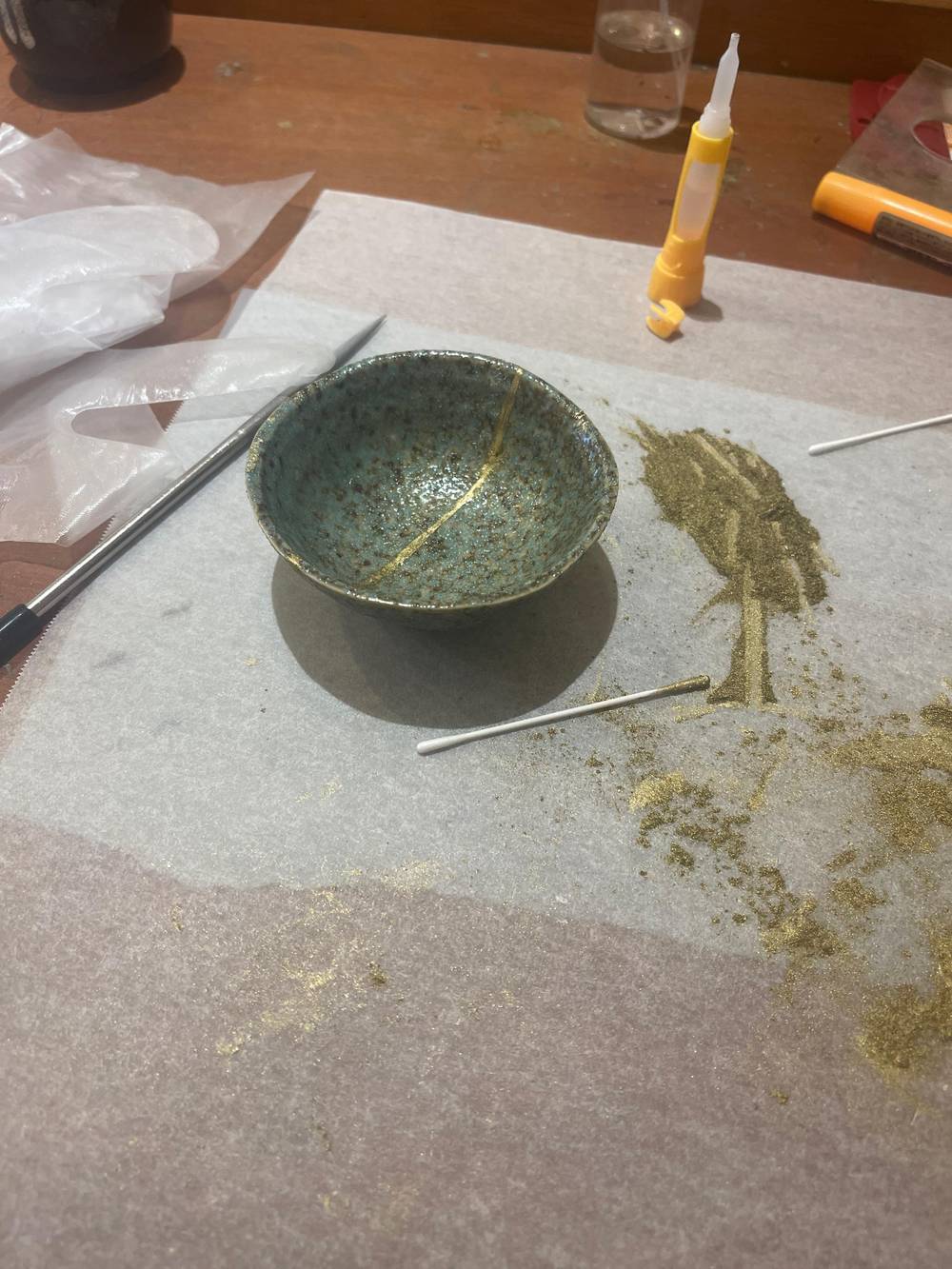
Homebody Max on YouTube · Video data is requested only when you tap play.
Browsing the endless racks of colorful and well-priced Japanese ceramics
Checklist
Large purchases may qualify for a tax refund. Japan Customs explains that anything bought from November 1, 2026 falls under a refund scheme: you pay the full price and the consumption tax comes back once customs confirms the goods are leaving Japan.27 Purchases totaling 5,000 yen or more, tax excluded, per store per day are eligible.7
You complete the inspection on departure. Within 90 days of purchase you present your passport at a tax-free terminal at the airport or seaport, so keep your receipts together and ask the shop how the refund works for fragile goods before you seal them in a bag.10 Build that step into your last day, and allow time at the airport for the terminal.
Pack breakables with care. Wrap each piece separately in clothing, put heavier items at the center of the suitcase and keep a spare cloth for the last-minute purchase. If a cup does arrive chipped, do not throw it away: a gold seam may suit it, and our page on where to buy kintsugi lists the places and kits to begin with.
FAQ
A 5-minute walk from Tawaramachi, a stop on the Ginza Line of the Tokyo Metro.2
November 7 and 23 and December 12 and 20, 2026 at Tokyo International Forum.18
Admission is free, hours are 9:00 to 16:00, and rain closes it.3
JNTO names Shigaraki, Tamba, Bizen, Tokoname, Echizen and Seto.16
From November 1, 2026 you pay in full and claim tax back at departure.27
GO TOKYO lists ceramic cups and chopstick rests among popular Kappabashi souvenirs.11
Sources
Continue reading
Questions about the session? Someone on the team answers right here.